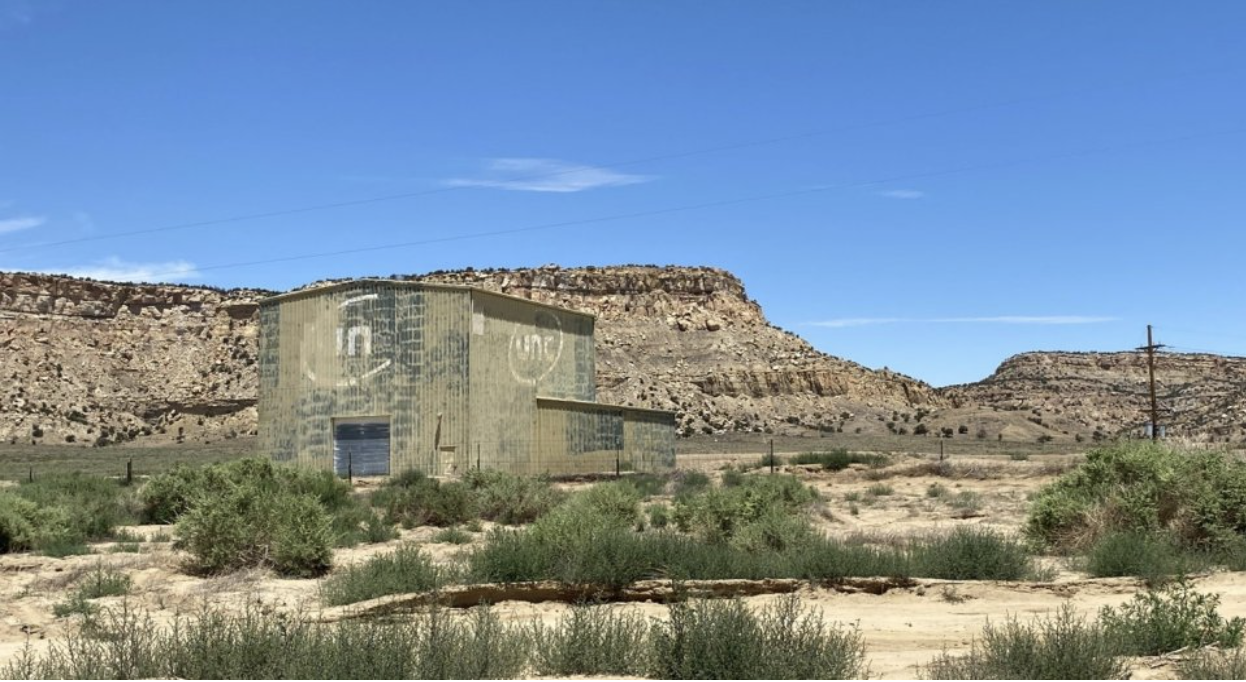
Inside the residence at Northern Arizona University, a generation of Native American college students is quietly coping with an invisible, inherited shock. For young adults living away from home, the clean water taps and fresh mountain air of Flagstaff offer a conflicting contrast to the realities of their hometown’s chapter houses all over the Navajo Nation. More than 500 abandoned uranium mines scattered across Arizona, New Mexico, and Utah are a toxic footprint left by mid-century efforts to build the United States' nuclear arsenal through World War II and the Cold War.
For these students, this history isn’t ancient text found in a library; it is an active, ongoing crisis that ties local environmental ruin to the political choices of young voters. “From my perspective as a Diné history teacher,” explains Mr. Begay, a local educator who has spent years tracking the issue, “we are evaluating a historical response from the federal government that began with systemic secrecy and continues with inadequate accountability today. The cleanup has to happen, but as a people, we have to be the ones pushing for it.”